
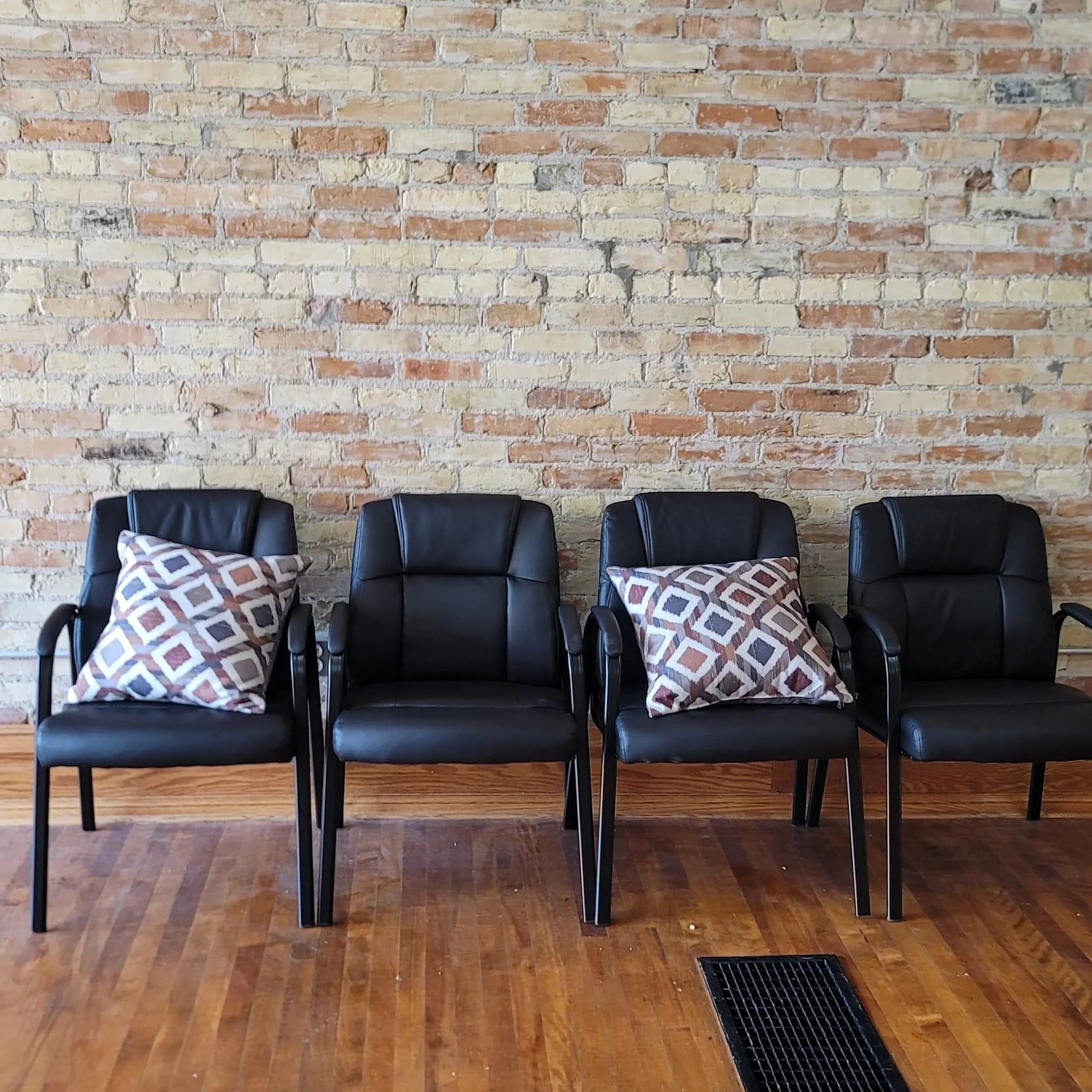
Therapy Services
Flexible, trauma-informed mental health care—individual and group—centered on healing together. Individual therapy blends expressive arts, somatic tools, and evidence-based talk to process trauma, regulate emotions, and build resilience. Group programs offer creative, guided community to reduce isolation, practice interpersonal skills, and deepen insight through art-based exercises and facilitated reflection. Choose one-on-one, ongoing groups, drop-in workshops, or a mix—our clinicians co-create culturally attuned, paced pathways so healing is accessible, embodied, and sustainable.
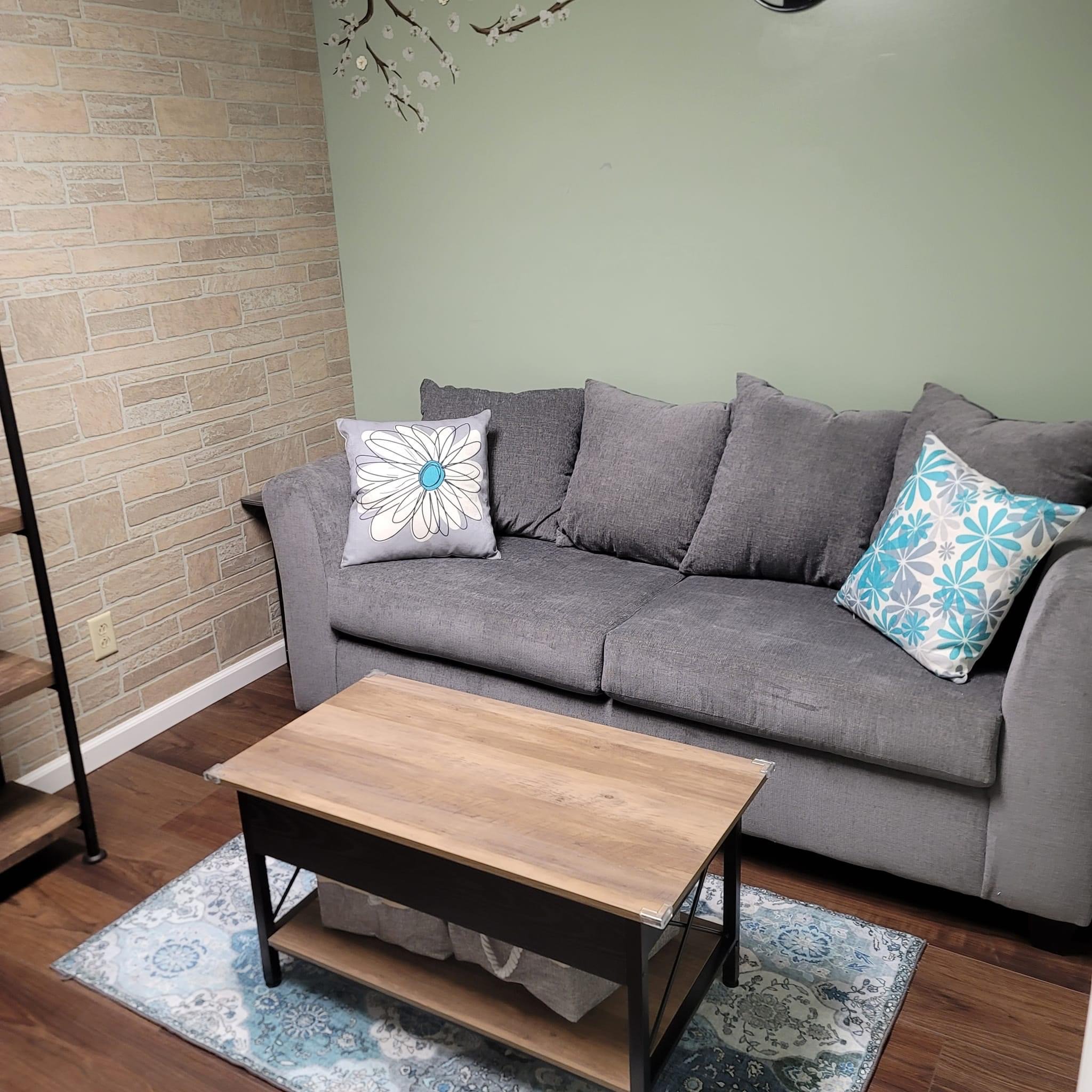
What We Offer
When you begin mental health therapy, expect a welcoming, confidential space where your clinician will listen, assess symptoms and strengths, and collaborate with you to set clear goals; intake sessions often include paperwork, clinical questions, and a discussion of past treatment, medical history, and current life stressors so your therapist can create an individualized treatment plan that outlines therapeutic approaches, frequency of sessions, measurable goals, and checkpoints for progress. If you plan to use insurance, bring your insurance card and be prepared for staff to verify benefits, explain co-pays, deductibles, session limits, and whether the provider is in-network; some practices offer sliding-scale fees, out-of-network billing, or superbills you can submit for reimbursement. Throughout care, your therapist should review the treatment plan with you, adjust interventions based on what’s working (including integrating expressive arts or other modalities when helpful), involve other providers with your consent, and discuss timelines and options if you need a referral, higher level of care, or changes in frequency to best support your healing.
-
Blending CBT, narrative therapy, DBT, and IFS offers a practical, compassionate path to change—available in person or virtual to fit your life. We combine CBT’s tools for restructuring unhelpful thinking, narrative therapy’s work to re-author your story, DBT’s skills for emotional regulation and distress tolerance, and IFS’s gentle mapping of internal parts to restore internal harmony. Sessions focus on real-world strategies, self-compassion, and trauma-informed exploration so you leave with both relief and sustainable skills. We accept BCBS, Priority Health, AETNA, and Meridian insurance; self-pay is available at $125 per session.
-
Trauma Therapy Group
A 6-part group therapy experience infusing expressive arts with childhood trauma work and education offers a structured, compassionate path toward healing where creative modalities—visual art, movement, voice, and story—are combined with trauma-informed psychoeducation and clinical processing to help participants reframe memories, build safety skills, and strengthen relational capacity. Facilitated by licensed clinicians trained in expressive arts therapy, each session introduces a specific theme (safety and regulation, attachment and boundaries, memory and narrative, grief and loss, resilience and integration, and relapse-prevention/self-care) with guided art-making, embodied practices, small-group sharing, and skills coaching to translate insights into daily life. Group size is intentionally small to promote trust and containment, making this an accessible option for people seeking both peer connection and clinical depth. We accept BCBS, Priority Health, AETNA, and Meridian insurance, or private-pay is available at $70 per session.
Therapy for the Unique

Neurodivergence
Neurodivergence—encompassing conditions like autism, ADHD, dyslexia, and other cognitive differences—is a natural and valuable variation in how brains process information, sense the world, and relate to others; yet many neurodivergent people face chronic stress from masking expectations, sensory overwhelm, social misunderstanding, and systems not built for their needs. Therapy that is informed, affirming, and flexible can help by teaching coping strategies for sensory regulation and executive functioning, supporting identity development and self-advocacy, processing trauma from stigma or coercive interventions, and building partnerships that adapt interventions to individual strengths rather than forcing conformity. When therapists embrace neurodiversity-affirming approaches—integrating practical skills, psychoeducation, and creative modalities—they create safer spaces where neurodivergent clients feel seen, reduce the emotional labor of masking, and gain tools to navigate a world designed for neurotypical norms while preserving dignity and autonomy.

Childhood/Complex Trauma
Childhood and complex trauma—repeated, prolonged exposure to neglect, abuse, loss, or unpredictable caregiving—reshape a developing brain, body, and sense of self, often leaving adults with chronic anxiety, emotional dysregulation, relationship difficulties, and somatic symptoms that feel impossible to manage alone; therapy is essential because it offers a safe, structured space to unpack fragmented memories, learn skills for emotional regulation and nervous system co-regulation, reframe self-blame, and slowly rewrite maladaptive patterns into adaptive, compassionate ways of being, enabling survivors to reclaim agency, rebuild trust, and heal in both relational and embodied ways.

Family/Relationship Issues
Family and relationship issues—whether ongoing conflict, communication breakdown, boundary struggles, caregiving stress, or the fallout from trauma and loss—deeply affect emotional well-being, daily functioning, and physical health, and they often persist or escalate without intentional support; therapy offers a safe, neutral space to unpack patterns, build healthier communication and conflict-resolution skills, repair trust, and co-create new relational narratives, while also addressing individual needs and trauma responses so that people can reconnect, set sustainable boundaries, and move toward lasting healing together.
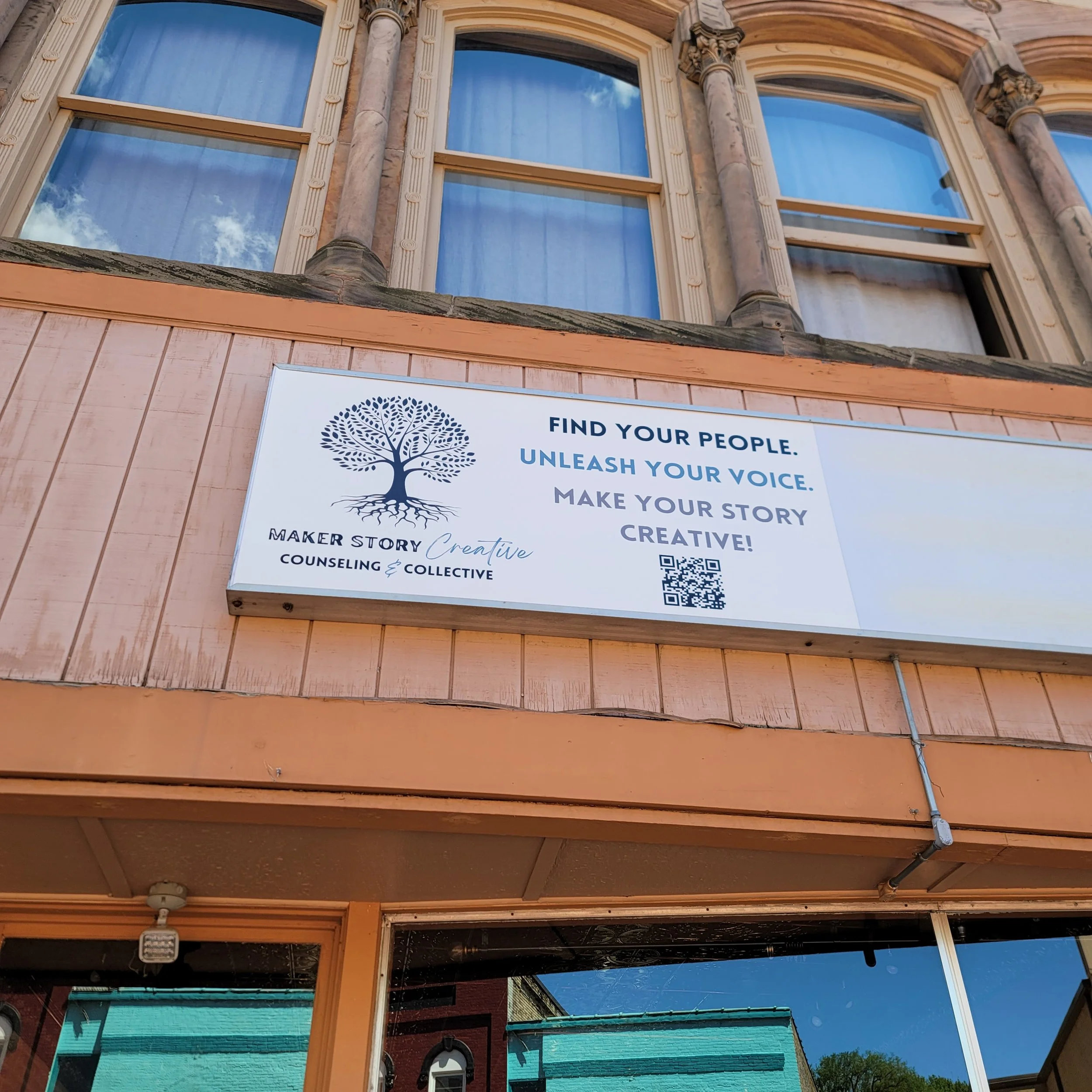
413 W Main St
Ionia, MI 48846
(616) 287-2503
Hello@makerstorycreative.org